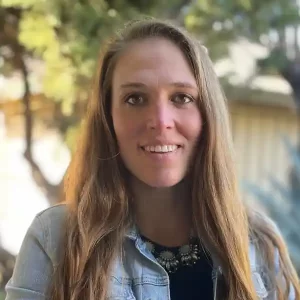

Sacramento individual therapist It’s clear that these professionals are making a measurable impact. They work with adults and teens alike to shift anxiety and stress into empowerment and resilience.
Sacramento therapists explain individual therapy helps with anxiety. Individual therapy helps with anxiety and stress because it allows people to discuss their issues in a nonjudgmental environment. Local Sacramento therapists know how to use effective methodologies such as cognitive behavioral therapy and mindfulness.
These strategies are ideal for this city’s rich tapestry of professional and personal pursuits. Most therapists in Sacramento specialize on such Californian stressors, such as adapting to a changing workplace, rising cost of living, and meeting the needs of extended families.
To receive authentic support, individuals typically need to physically attend meetings or log into virtual meetings — a setup that is becoming the new normal across Sacramento. Read on for more in-depth information on what Sacramento therapists have to say about individual therapy for anxiety and stress.
Key Takeaways
- Sacramento residents face unique stressors, including heavy traffic, changing weather, and local economic pressures, which can increase anxiety and affect daily life.
- Individual therapy provides a safe, private environment to address your specific anxiety-inducing situations or experiences. It additionally allows clients to design coping tools that work with their busy, urban Sacramento life.
- Sacramento therapists are big fans of effective, evidence-based therapies, such as Cognitive Behavioral Therapy (CBT) and Acceptance and Commitment Therapy (ACT). These therapies work wonders in helping you manage your anxiety and stress.
- Working with a therapist that is aware of Sacramento’s unique challenges and community dynamics will allow for a more successful outcome. This therapeutic connection achieves a collaborative therapeutic relationship.
- Active participation, honest communication, and practicing new skills outside of sessions are essential steps for making lasting progress through therapy.

Understanding Sacramento Stressors
Sacramento finds itself at a unique intersection of urban excitement and environmental splendor. Life here in the trenches has its own stressors. Rapid and dramatic changes in weather paired with stressful hours-long commutes on congested interstates only increase everyday burdens.
In it, residents detail how congestion on I-5 or Highway 50 stresses them out. This stress is compounded when they try to balance work, family, and personal obligations. Local happenings, whether they be joyous community festivals or angry protests, further influence the social climate, often inciting sentiments of stress or concern.
Sacramento’s immigrant and refugee populations deal with their own stressors as well, like overcoming cultural barriers or experiencing social injustice-related trauma. Socio-economic divides manifest via increasing housing costs, unemployment and underemployment, and lack of access to care. These stressors take a huge toll on mental health for countless residents of the region.
Common Anxieties in Our City
To this day, numerous residents continue to struggle with generalized anxiety disorder, social anxiety, or panic attacks. Fears such as public speaking, job interviews, or simply joining new clubs are relevant. Cultural background plays an important role in shaping the way someone might experience and define anxiety, which can exacerbate the difficulty in reaching out for support.
Changes in the season may trigger extreme summertime heat or overcast winter weather. These conditions can lead to increased anxiety and/or mood changes in some people.
How Daily Life Impacts Stress
Strained lives make it hard to find time to unwind, get a good night’s sleep, or develop healthy routines. Work-life balance is a major stressor on the list. Long hours and rotating shifts further reduce obtainable family time.
Issues in a relationship or family life increase stress, compounding the burden of needing to maintain the pace set by others in their neighborhood or profession. These daily experiences, both joyful and stressful, determine the ways that stress is expressed.
Recognizing When You Need Help
Persistent anxiety, insomnia, or withdrawal from friends and family are warning signs. Recognizing when you need help is crucial. These signs can indicate that it’s time to consult a professional.
Thinking about how stress appears in your day-to-day life, without the shame attached to it, reduces stigma. Whether you are struggling with adjustments to life transitions, healing from trauma, or chronic stress, make sure you seek support. Building that connection with a therapist is a great place to start!
How Therapy Eases Anxiety
Therapy remains the best-researched method to provide individuals with a systematic approach to process their anxiety and stress. Sacramento therapists emphasize that therapy provides a confidential and supportive environment to talk about concerns without fear of judgment. Here, clients can catch their breath, feel a sense of peace, and begin unwrapping their anxiety.
Therapists help people learn how to identify their feelings. This realization usually opens up a world of new perspectives and new coping mechanisms. This important work has the potential to create real change over time, allowing clients to experience a greater sense of control and less feeling of being overwhelmed.
Identifying Your Anxiety Roots
An important component of therapy focuses on reflection. Clients will process through these past experiences that continue to inform their fears in the present day. Through specific questions and tools, therapists are able to discover where these fears begin.
This allows individuals to identify their triggers and how past experiences can contribute to present-day anxiety. For instance, a person might recognize that a difficult childhood experience continues to affect how they respond to stress at work. This process of self-discovery can be the first step toward healing.
Building Practical Coping Tools
Therapists teach real-world ways to handle anxiety. Breathing exercises for quick calm are one method. Mindfulness, such as practicing being present, one step at a time, on the American River, is another.
Journaling to spot patterns in mood and thought is also encouraged. Consistent physical activity, whether cycling in Midtown or trekking the trails in one of the region’s nearby state parks, helps reduce tension. These tools are practical enough to seamlessly integrate into everyday life, yet powerful enough to disrupt the cycle of anxiety.
Changing Unhelpful Thought Habits
It’s easy to get into a pattern of negative thoughts. Therapists employ cognitive-behavioral therapy (CBT) techniques to identify and alter these patterns. Therapy helps clients begin to realize that they can replace the self-loathing and anger with constructive self-talk.
Through basic triggers, like saying “stop” out loud, they rehearse stopping cycles of anxiety. This practice can empower clients to take control of their thought processes and foster a more positive mindset.
Personalized Plans: A Sacramento View
Sacramento therapists tailor individualized plans to meet the needs of each patient. They can be local support groups, wellness classes, or even online therapy tailored for stressed tech employees. Clients and therapists establish goals together and adjust plans as clients’ lives evolve.
This personalized approach ensures that therapy remains relevant and effective, addressing the unique challenges each client faces.
Tracking Your Positive Changes
Progress checks keep therapy on track. Weekly mood logs can help clients monitor their emotional states. Noting small wins, like fewer sleepless nights, reinforces positive changes.
Asking for feedback and using simple self-check quizzes also aids in this process. This helps clients see growth and adjust plans if needed, ensuring they continue to move forward in their journey toward managing anxiety.
Therapy Types That Work
When Sacramento therapists talk about tackling anxiety and stress, they often point to several therapy types that have real backing. We know that the right therapy is different for every individual, but indeed, evidence-based approaches are the gold standard.
It’s important for therapists to rely heavily on research to choose what will work best. Local experts highlight the importance of recognizing that one size does not fit all, so identifying the right partner is essential. Finding the best therapy types for you is a great first step toward finding the true relief you seek.
CBT: A Popular Choice
Cognitive Behavioral Therapy (CBT) is the most common therapy type used in Sacramento clinics with patients diagnosed with anxiety. It’s very structured and very goal-oriented.
CBT teaches patients to identify these negative thoughts and replace them with healthier thought patterns. A major component of CBT is learning how to disrupt the cycles that perpetuate anxiety.
For instance, a therapist would assist a client in identifying and monitoring anxiety-producing thoughts, and then practicing responses that are more constructive. Expect homework and practice outside the session to be a regular occurrence.
CBT tools, such as thought records and behavior experiments, provide people with tangible tools they can apply on a daily basis.
ACT: Embracing Your Feelings
Acceptance and Commitment Therapy (ACT) offers a refreshing new approach. Rather than battling with thoughts, ACT instructs clients to allow emotions to surface and release them without becoming ensnared.
It’s about knowing what matters most and moving toward those values, even when anxiety shows up. ACT allows Sacramento therapists to help clients move from worrying to acting.
Whether a person engages in mindfulness or values-based life planning, this allows them to tolerate anxiety and proceed with what matters.
Other Effective Methods
Method | Pros | Cons |
CBT | Evidence-based, practical | Needs regular practice |
ACT | Values-based, flexible | May need more sessions |
DBT | Skills-focused, structured | Time-intensive |
EFT | Emotion-centered, deep | Can feel intense |
Solution-Focused | Brief, targeted | Less deep exploration |
Despite their size and complexity, therapies such as DBT and EFT are making headway in Sacramento.
This DBT component helps a person learn to develop real-world coping skills. EFT goes beyond to organize intense emotions such as shame or terror, relying on science rooted in the ground—including attachment theory.
What’s more important than any of that is comfort and fit—clients thrive when they click with the approach.

Find Your Sacramento Therapist
Finding a therapist in Sacramento is less about choosing the first name on an online directory. Therapists who work locally are familiar with the city’s challenging combination of skyrocketing housing prices, culturally rich neighborhoods, and an abundance of burnt-out public servants.
Therapists who practice here are well-equipped to help clients deal with the stress and anxiety caused by the demands of work, school, or urban living. Many have specialized skills, from trauma-focused care to support for the LGBTQ+ community, and some have over 15 years helping Sacramento residents.
Qualities of a Good Fit
A great therapist meets you with openness, compassion, and authenticity. Look for someone who listens, doesn’t rush, and adapts their style—like using CBT for anxious thoughts, or DBT for coping with big feelings.
Communication style and approach to therapy are important. If you need someone who can be more forthright with you, or less, that needs to be established in the initial session. Their approach should fit your goals. Trust your instincts—if you’re comfortable, that’s an excellent indication.
Key Questions for Therapists
- What experience do you have with anxiety or trauma?
- Which therapy techniques do you use—CBT, ACT, or others?
- How do you handle client questions or feedback?
- Other things to ask are what their session fees are and whether they accept your insurance.
- How do you handle emergencies or after-hours needs?
- How often will we meet?
Sacramento-Specific Search Tips
Check local directories, state psychology associations, or community mental health clinics. Verify therapist credentials and read reviews.
Request recommendations from others you know—ask friends, classmates, or groups on campus. Some therapists in Sactown specialize in play therapy for children or work with specific populations—such as new parents or students.
Online vs. In-Person Options
Therapy online at your convenience and from the privacy of home offers flexibility. During in-person sessions, there’s a palpable sense of connection.
Go with whatever will work best for your everyday life and comfort level. Fortunately, most Sacramento therapists provide both.
Starting Your Therapy Journey
We know that taking the first step to start therapy can seem like a huge, intimidating leap. It’s a great step in the right direction to improve mental health! Most folks in Sacramento are thinking, “I’m not able to do that.” They may think therapy isn’t for them—that it’s for people with more serious problems.
These concerns are understandable, but allowing yourself to be vulnerable to the guidance of a good therapist can do wonders. Those first few sessions really lay the groundwork for what is to come. Come in with specific expectations and an open heart to get the most out of it!
In Sacramento, treatment is about learning new skills and sometimes those skills can seem awkward at first. You may find yourself focusing on mindfulness or developing skills to tolerate challenging emotions. It’s okay to be uncertain, but with time these resources can help reduce anxiety and stress.
This journey doesn’t end at the therapist’s office door. Most find that clarity and comfort come after days and weeks. The deeper work accomplished in session continues to influence deeper clarity of thought and greater flow through life.
What Happens in Session One?
The first meeting is about getting to know you. Therapists in Sacramento usually ask about what brings you in, your background, and your hopes for change. You and your therapist will talk about what’s weighing on you—maybe a knot of worry or a sense that something is off.
Building trust is key, so expect a calm, non-judgmental space. The therapist may ask you to share what you want from therapy or if you have questions. This is your chance to bring up fears or name topics you want help with.
Assessment tools may be used to better understand your needs, but the pace is set by your comfort.
Overcoming Initial Hesitations
It’s common for new therapy clients to feel apprehensive and excited. Concerns about being judged, feeling unsure about what to discuss, or questioning whether therapy will be effective are completely natural. Sacramento therapists want to reassure you that it’s perfectly acceptable to be apprehensive.
Writing down your questions ahead of time might ease your anxiety. After all, your therapist is on your side! Rather than dwelling on your fears, consider the support and skills you’ll receive. Therapy is a reliable resource, not a quick fix, and it works best when you give it a fair chance.
Therapy Beyond the Office
Therapy shouldn’t stop when you leave the office or log off a video call. Sacramento clinicians emphasize that true change occurs outside of the therapy office—in everyday life. Skills learned in sessions are tested and adjusted through practice!
Using therapy concepts out in the world—whether at home, work or school—allows individuals to deepen their learning, create new habits and strengthen their emotional balance. This on-the-ground practice allows us to make therapy relevant and meaningful. When clients practice tools like mindfulness, self-reflection, or communication skills between sessions, they experience more enduring change.
Daily Practice Makes Perfect
- Plan to spend five minutes a day practicing slow, deep breathing.
- Keep a short journal to track moods and triggers.
- Practice grounding techniques, such as naming three things you can hear or see around you.
- Use positive self-talk when negative thoughts arise.
- Practice gratitude by naming three good things daily.
Building these habits into a daily practice goes a long way. Sacramento therapists frequently advise clients to keep a minimalist calendar to protect mental health.
For example, they recommend practicing a body scan before sleep. This is where practice comes in. Consistency is key. It reinforces lessons learned during therapy to increase the likelihood of progress.
Most people agree that mindfulness and relaxation tools, such as guided imagery or brief walks, are effective in reducing stress and improving concentration.
Lifestyle Choices That Support
We know that good mental health requires more than just therapy. Consuming well-balanced meals, exercising regularly, and getting adequate sleep each night are big factors in reducing anxiety.
Whether joining a yoga class in Midtown or taking a stroll along the American River Parkway, connecting with these lifestyle changes will lift your spirits. Even small changes—such as asking someone to respect clear boundaries with you or making time for activities that spark passion and creativity—can lead to greater happiness and safeguard mental health.
Building Your Support Network
Local occupational therapists in Sacramento describe it as one of the most important aspects to have people who are supportive. Communicate your needs clearly.
Communicate your needs to friends and family, or seek out a group of peers, in person or virtually. Community spaces, such as local design meetups or workshops, provide collective support and fresh perspective.
When they have strong connections with one another, clients feel less isolated and therapy is even more effective.
Conclusion
Sacramento residents experience stress and anxiety on multiple fronts—commute, job, and urban environment. Local Sacramento therapists are on the front lines of this crisis and understand how therapy can empower you to cope with these stresses. Individual therapy offers a safe environment to open up, understand your stress at a deeper level, and practice new coping strategies. According to those in Sac, therapy has been key to feeling less anxious and more empowered. Support extends well beyond the therapist’s office, as well—imagine text message check-ins, virtual support groups, and quick breathing exercises to integrate mindfulness into day-to-day life. You don’t have to do it alone. If the stresses of urban life are getting you down, please consider seeking help. A Sacramento therapist can help you learn what healing looks like for you! You could be surprised at how much peace you can find without ever leaving the area.
Frequently Asked Questions
1. How can individual therapy help with anxiety and stress in Sacramento?
Individual therapy is an opportunity for you to discuss area stressors in a judgment-free zone, whether that’s work, housing, or other concerns. Sacramento therapists can teach you evidence-based strategies to cope with anxiety and regain a sense of control over your life.
2. What types of therapy are most effective for anxiety in Sacramento?
Cognitive behavioral therapy (CBT) and mindfulness-based therapies are the most popular therapy modalities used by Sacramento therapists. These approaches are dynamic, evidence-based, and flexible to your specific, individual needs.
3. Are Sacramento therapists familiar with local stress factors?
Are Sacramento therapists familiar with local stress factors? They can assist you in creating stress management techniques tailored to living in Sacramento.
4. How do I find a qualified therapist in Sacramento?
Begin by looking through Sacramento-specific therapist directories, read reviews, and verify their licensure through California’s Board of Behavioral Sciences. Most therapists have free consultations, so you can talk about what you need.
5. Can therapy sessions be done online in Sacramento?
Can therapy sessions be held remotely in Sacramento? This means that you can attend therapy sessions from the comfort of your home, making therapy more convenient and accessible.
6. How long does it take to see results from therapy for anxiety?
Many people notice improvements after a few sessions, but progress depends on your goals and participation. Sacramento therapists can help you establish realistic expectations depending on your circumstances.
7. What should I expect during my first therapy session in Sacramento?
You’ll be asked to describe your main concerns, goals and relevant background. The therapist will describe their treatment philosophy and approach and respond to your questions to help you determine if it’s the right fit.
Take the First Step Toward Feeling Like Yourself Again
You don’t have to wait for a crisis to start therapy. If you’re feeling overwhelmed, anxious, burned out, or just not quite like yourself, that’s reason enough to reach out. At our Sacramento clinic, we specialize in individual therapy that meets you exactly where you are—with compassion, expertise, and a deep respect for your unique journey. Whether you’re navigating major life transitions, managing symptoms of depression or anxiety, healing from trauma, or simply searching for more meaning and connection, we’re here to support you.
Our therapists draw from evidence-based approaches like CBT, DBT, mindfulness, trauma-informed care, and even ketamine-assisted therapy when appropriate—so you can get the right support for your specific needs. Sessions are tailored, collaborative, and grounded in your goals—not ours. We’re not here to fix you. We’re here to walk beside you as you reconnect with your strengths and move forward with greater clarity and confidence.
If you’re ready to feel more grounded, more connected, and more in control of your life again, we invite you to reach out. Schedule a free consultation today and take the first step toward healing—right here in Sacramento.
Disclaimer
The content on this website is provided for informational and educational purposes only and is not intended as a substitute for professional mental health or medical advice, diagnosis, or treatment. Always seek the guidance of a licensed therapist, physician, or qualified healthcare provider with any questions you may have regarding a mental health condition or treatment options. Do not disregard professional advice or delay seeking care based on information found on this site.
Viewing this website or communicating with Clinic for Healing and Change through this site does not establish a therapist-client relationship. A therapeutic relationship is only formed after a formal intake process, mutual agreement, and completion of required documentation.
This website is not monitored for crisis or emergency situations. If you are experiencing a mental health emergency, please call 911 or go to your nearest emergency room.
This site may include links to external websites or third-party resources. These are provided for your convenience only; Clinic for Healing and Change does not endorse and is not responsible for the content, accuracy, or availability of these external resources.
While we strive to keep the information on this site current and accurate, it may not reflect the most recent clinical developments. Clinic for Healing and Change disclaims all liability for actions taken or not taken based on any content on this site, to the fullest extent permitted by law.
Relevant Citations
- American Psychological Association. Understanding Psychotherapy and How It Works. Retrieved from https://www.apa.org/topics/psychotherapy
- National Institute of Mental Health. Psychotherapies. Retrieved from https://www.nimh.nih.gov/health/topics/psychotherapies
- Mayo Clinic. Psychotherapy: What You Can Expect. Retrieved from https://www.mayoclinic.org/tests-procedures/psychotherapy/about/pac-20384616
- Substance Abuse and Mental Health Services Administration (SAMHSA). Evidence-Based Practices Resource Center. Retrieved from https://www.samhsa.gov/ebp-resource-center
- California Board of Behavioral Sciences. Information for Consumers. Retrieved from https://www.bbs.ca.gov/