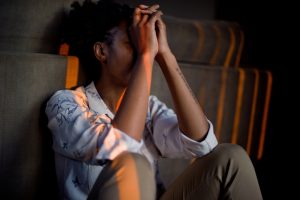

The distinction between regular stress and clinical anxiety is that stress usually stems from normal life issues whereas clinical anxiety represents persistent, chronic anxiety that persists long after the stressor has faded. Most of us experience stress when we have a project at work, tests, or life transitions. Most stress dissipates after people resolve the problem or walk away. Clinical anxiety, however, isn’t something that subsides with time or sleep. It can create difficulty falling asleep, concentrating, or completing routine activities. To distinguish the two, specialists consider the duration of the feelings and the degree to which they impede your life. In the following sections, discover the characteristics and symptoms of each.
Key Takeaways
- Everyday stress is a natural, temporary reaction to daily difficulties and usually subsides after the cause is managed. Clinical anxiety is a chronic mental disorder that may require professional help.
- The triggers of daily stress are often clear — work or family obligations — while clinical anxiety may be rooted in genetic predisposition, environmental triggers, or unprocessed trauma and may emerge without an obvious trigger.
- Stress symptoms are typically characterized by physical issues such as headaches, muscle tension, and sleep disturbances. Clinical anxiety is distinguished by excessive, persistent worry, panic attacks, and avoidance behaviors that interfere with daily functioning.
- Track their duration and intensity. If these feelings last or intensify, you may be tipping from everyday stress into clinical anxiety that requires intervention.
- Proactive management like healthy lifestyle habits, mindfulness, and social support can help everyday stress. Clinical anxiety might call for evidence-based treatments such as therapy or medication with professional supervision.
- It’s this awareness of what separates and links stress and anxiety that allows you to identify symptoms early and get the care you need. This is essential for your mental and physical health.
The Core Difference
General stress and clinical anxiety both contribute to how humans experience pressure, but they’re not interchangeable. Clinical anxiety is a mental health disorder diagnosed by clinicians and often persistent, such as generalized anxiety disorder. Everyday stress is a normal reaction to the demands that arise in life, such as deadlines, exams, or family requirements. While stress dissipates once concerns are addressed, anxiety lingers, even when it’s not obvious why. Both have an impact on health, but anxiety is more enduring and more forceful.
1. The Source
Daily stress typically arises from tangible sources, like a challenging work assignment or juggling family obligations, and can lead to mental health disorders. These stressors are acute, but clinical anxiety may arise from more profound matters, such as underlying stressors like genetic susceptibility or prior trauma that predispose individuals to an anxiety disorder. Responses to stressors may be quite divergent, influenced by one’s upbringing, experiences, or even neurochemistry, highlighting the complexity of anxiety disorders.
2. The Duration
Daily stress doesn’t linger; once the challenge or event is over, it generally disappears. However, anxiety disorders like clinical anxiety can persist for weeks, months, or even years without an obvious cause. Recognizing when stress has turned chronic is crucial for effective mental health management. This awareness helps monitor symptom frequency and duration, indicating when assistance is required for those suffering from anxiety disorder.
3. The Intensity
Everyday anxiety is something most people can manage with straightforward measures like exercise, chatting with friends, or just taking a break. However, anxiety disorders can be significantly more severe, potentially leading to panic attacks, concentration issues, or physical symptoms such as a pounding heart or stomach ache. When these emotions start to interfere with work, school, or relationships, it indicates an anxiety disorder — not just ordinary stress. Regularly checking in on the intensity of these feelings can help catch anxiety early.
4. The Response
Stress ignites the body’s primal alarm, causing hormones like cortisol to surge and waking people up for action. These modifications are brief but rebound to baseline after the tension subsides. However, anxiety disorders can maintain the body in a high-alert state for no obvious reason, leading to symptoms like heart pounding and muscle tension. Over time, this ongoing fear becomes unhealthy. For individuals with generalized anxiety disorder, coping mechanisms such as list-making or fidgeting may suddenly prove insufficient, illustrating how everyday anxiety can transform into maladaptive loops.
What Stress Feels Like
Stress is your body’s automatic activation response to daily demands, whether large or small. This emotional stress can manifest itself in numerous forms, frequently as a combination of physical, mental, and emotional symptoms. Episodic or daily stress occurs naturally and tends to dissipate as circumstances shift. However, when uncontrolled, it can lead to anxiety disorders, impacting how you feel and behave, making it difficult to concentrate or complete tasks. Recognizing these common anxiety symptoms is crucial for detecting stress early and preventing it from accumulating.
Physical Signs
- Muscle tension and headaches: The body often reacts to stress by tightening muscles, especially in the neck and shoulders. This leads to tension headaches or soreness.
- Digestive issues: Many people notice stomach aches, nausea, or even hives when under stress. Even a small catalyst, such as a hard commute, can ignite them.
- Fatigue and sleep disturbance: Stress can cause trouble falling or staying asleep. This makes people feel tired during the day and less able to focus.
- Restlessness and fidgeting: Feelings of stress can make people pace, wring their hands, or sit up at night making lists and unable to relax.
- Elevated heart rate and blood pressure: Chronic stress can keep the body in a state of alert and raise the risk of long-term health issues such as high blood pressure or heart problems.
Chronic stress, when unattended, can lead to anxiety disorders that tear at the body. Be aware of minor, new differences such as additional aches or insomnia, as these can compound into more significant health concerns. Simple actions like deep breathing, stretching, and short walks can help reduce emotional stress and promote a healthy response.
Emotional Signs
Stress has a way of eliciting some powerful feelings. Typical symptoms are feelings of dread, anxiety that something awful is impending, or an incapacity to relax. They can be nervous, depressed, or irritable and may occasionally snap at others for minor reasons.
Mood swings are common. Others have difficulty enjoying things they used to. Others ruminate, so it’s difficult to concentrate or complete tasks. Minor everyday stressors, such as deadlines or packed subways, can soon cause you to snap or feel overwhelmed.
To know these feelings is the beginning of mastery. Writing down feelings, confiding in someone reliable, or mindfulness can prove helpful. Basic habits like taking regular breaks or establishing clear boundaries can alleviate emotional stress.
What Anxiety Feels Like
Anxiety is different from the typical stress everyone experiences in their lives. Unlike short stress responses, anxiety disorders are characterized by a constant and occasionally irrational feeling of worry or fear. This concern is frequently oriented toward potential events rather than actual events, creating a sense that a bad thing is always lurking. These feelings can be acute, persistent, and disrupt one’s capacity to work, study, and maintain relationships. Anxiety is not simply an emotion; it encompasses mental health challenges and physical ordeals that can consume a subject.
Physical Symptoms
- Muscle tension: Many people with anxiety feel constant tightness in their muscles, especially around the shoulders, neck, and jaw. This tension can turn into chronic soreness and headaches.
- Fatigue: Ongoing worry and muscle tension can drain energy, often leaving someone feeling exhausted even after a full night’s sleep.
- Restlessness: Anxiety often shows up as restlessness, pacing, fidgeting, wringing hands, or staying up all night trying to plan for every outcome.
- Headaches: Frequent tension headaches are common and can be severe enough to interfere with daily activities.
- Digestive issues: The body’s stress response can cause stomach pain, nausea or changes in appetite.
- Heart palpitations or shortness of breath: During anxious moments, the nervous system triggers a rapid heartbeat and shallow breathing.
- Sweating and shaking: Sweaty palms or shaking hands are typical places to look for these physical markers.
- Difficulty relaxing: Many find it almost impossible to unwind, even in calm settings.
Extended anxiety disorders can mean being constantly ‘on edge,’ resulting in you feeling drained all the time. If these common anxiety symptoms begin to interfere with basic habits, consulting a health professional is appropriate.
Mental Symptoms
About that anxiety disorder, it gives you intrusive thoughts you can’t control. The mind can go in circles, obsessing on the same worries, making it hard to clear a thought or address a problem. Others waste hours going over discussions, dreading that they goofed or that something terrible will result. This incessant vigilance allows scant space for peace or happiness in their everyday lives.
It’s hard to concentrate on work when experiencing generalized anxiety. A lot of individuals can’t decide, even on minor things, because their brain is overwhelmed with ‘what ifs’. This may put a drag on work or study and result in forgotten deadlines, leading to decision fatigue and forgetfulness.
These negative thought patterns become entrenched, often synonymous with expecting the worst or “catastrophic thinking.” This cycle can exacerbate symptoms of anxiety disorders and establishes a feedback loop where anxiety devours itself.
Mindfulness, whether through deep breathing, meditation, or grounding exercises, helps interrupt this cycle. These instruments coach the mind to dwell on the moment as opposed to the conjured future dangers, promoting healthy stress management.
When Stress Becomes Anxiety
Stress and anxiety can appear similar, but the distinction usually resides in the intensity, duration, and degree of interference with your life. Everyday anxiety is a response to a particular stressor, like a work deadline or an exam. When stress lingers and intensifies, it can lead to mental health disorders, particularly generalized anxiety disorder, which begins to interfere with one’s ability to maintain a daily schedule. Knowing the common anxiety symptoms can assist people in detecting the tipping moment before stress turns into something more severe.
The Tipping Point
The line between stress and anxiety disorders is crossed when distress becomes chronic and interferes with everyday activities. A person experiencing an anxiety disorder might have difficulty on a much smaller scale—keeping their house clean, remembering to pay bills, or exercising regularly. These are obvious signs that stress has crossed the line. Stress does not last forever; it disappears once the underlying stressor is gone. However, anxiety remains even when the original trigger is no longer present. This open-ended aspect of generalized anxiety makes it more difficult to address and can lead to avoidance of certain people or environments. Such habits can exacerbate the issue as they reduce opportunities for healthy stress management. Identifying these warning signals early, whether it is increasing dread or weeks of overwhelm, is crucial. Taking action, such as seeking support or consulting a professional, can help avert additional escalation.
Chronic Stress
Chronic stress emerges when stressors are persistent and unaddressed, leaving the body and mind in a continuous state of vigilance. Over time, this can sap energy and diminish coping abilities, making the mind more susceptible to anxiety disorders. Missing sleep, meals, or using substances can increase stress effects, exacerbating the situation and making recovery difficult. Chronic stress can insidiously erode mental health, so it’s crucial to employ stress-busting strategies like exercise, healthy eating, and mindfulness to combat emotional stress and disrupt the cycle.
Internalized Reactions
Internalized stress can manifest as constant worry and hypervigilance, creating an environment ripe for anxiety disorders to flourish. Pessimism only serves to intensify these emotions, establishing a feedback loop that’s hard to escape. Bottling things up or dodging a sincere chat adds fuel to the fire. Self-care practices like journaling, meditation, or connecting with trusted friends can help reduce that inner tension. Tiny actions, such as identifying your emotions or confiding in a trusted acquaintance, can prevent stress from escalating into generalized anxiety disorder.

Navigating the Overlap
Anxiety and stress often present with similar symptoms, complicating the ability to differentiate between the two. Both can manifest in the body and mind, making it crucial to understand this distinction for effective mental health screening. Stress typically stems from identifiable triggers, like a deadline or an argument, while anxiety disorders often represent a pervasive unease without a specific origin. This overlap can blur the lines between a normal response and a clinical mental health disorder.
Shared Symptoms
Both stress and anxiety disorders may appear the same initially. Common symptoms such as headaches, muscle aches, exhaustion, insomnia, and irritability frequently occur. Most individuals experience everyday anxiety or agitation, difficulty concentrating, or appetite fluctuations. Physical symptoms like a racing heart, sweating, and trembling are typical in anxiety disorders but can also accompany stress. These shared signs can confuse people when they attempt to decode their feelings.
It’s convenient to mistakenly interpret these signals, particularly when accurate information is lacking. For some, tracking when symptoms occur after a hard day at the office, before an exam, or seemingly for no reason can aid in distinguishing between stress and generalized anxiety disorder. Patterns and specific triggers emerge that can help inform better decisions on daily habits or when to seek additional assistance.
Understanding these overlaps isn’t just helpful for self-care; it’s vital for doctors and therapists as well. Recognizing what is overlapping and what isn’t can significantly influence treatment decisions, whether it involves lifestyle changes, counseling, or medication.
The Vicious Cycle
Stress becomes anxiety when worries never cease, even when a stressor has passed. For example, a student could be stressed before a test, but if the worry lingers long after the test, it turns into anxiety. This cycle can escalate and render sleep, focus, and decisions even more difficult.
Anxiety feeds stress. Constant anxiety has a way of turning quotidian troubles into gigantic ones. Without quality coping tools such as talking or stress-reducing habits, the cycle continues. Early support and healthy habits can disrupt the cycle and stave off more serious issues. It’s a good idea to seek help when symptoms don’t subside.
Your Internal Alarm
Each of us has an internal alarm that manifests itself as nervousness, anxiety, or dread. Some feel it as a pounding heart or queasy stomach. Some observe bouts of moodiness or crankiness. This alarm can be deafening for those with anxiety disorders and frequently renders day-to-day life difficult to handle.
Getting to know the early warning signs, such as difficulty sleeping or irritability, can help nip problems in the bud. Mindfulness, journaling, or simple breathing exercises can help hear and soothe this alarm. By identifying what triggers the alarm, whether it is something like crowded places or deadlines, individuals can make smarter decisions and gain a greater sense of control.
How to Manage Each
Everyday stress and anxiety disorders require different approaches to control. Knowing the warning signs early means you can take action before symptoms escalate. A doctor or mental health professional can help sort out if what you’re feeling is typical stress or a sign of something more serious, such as a generalized anxiety disorder. Taking measures to tackle the issue, whether that be lifestyle changes or seeking professional help, can prevent stress and excessive worry from overwhelming day-to-day life.
Managing Stress
Technique Type | Description |
Physical Activities | Regular walking, cycling, or sports help lower stress levels. |
Relaxation Methods | Deep breathing or meditation calms the body’s response. |
Time Management | Setting clear priorities reduces overwhelm and confusion. |
Social Connections | Talking with friends or family eases tension and worry. |
Hobbies | Creative outlets like reading or music help shift focus. |
Good sleeping and eating habits keep stress in check. Get at least 7 hours of sleep per night and consume wholesome meals, incorporating fruits, veggies, and protein.
Planning helps. Jot down what stresses you out. Choose one or two methods to address each trigger.
Support from others goes a long way. Hang out with friends or confide in trusted individuals when tension feels high.
Treating Anxiety
- Cognitive behavioral therapy (CBT) is a focused, goal-directed therapy. It assists individuals in modifying thought and behavior patterns associated with anxiety.
- Medications like SSRIs can reduce symptoms. These are prescribed for moderate to severe anxiety.
- Exposure therapy gradually exposes people to fear in a secure manner. This can decrease avoidance and distress over time.
- Relaxation training instructs you in methods to soothe the body and mind, such as muscle relaxation or guided imagery.
Proper diagnosis is key. A mental health provider can verify if symptoms correspond to an anxiety disorder and recommend the appropriate treatment.
Some people respond to therapy, some to medication, and some to both. Experiment with one or several to find your style.
Long-term support is important. Routine check-ins with a therapist or counselor keep progress on track.
Conclusion
Everyday stress and clinical anxiety do not have the same origins or form. Stress has an identifiable source and subsides once circumstances shift. Clinical anxiety lingers after issues dissipate and frequently introduces debilitating terror or concern that interferes with routine work or academics. Identifying the boundary between these two aids individuals in seeking appropriate assistance and treatment. Friends, family, and mental health pros can help guide the next steps. Little things like deep breaths, short walks, and honest conversations with trusted individuals can alleviate stress. If anxiety continues to escalate, seek assistance. Never walk this road alone; share your story, seek assistance, and help others do likewise.
Frequently Asked Questions
1. What is the main difference between everyday stress and clinical anxiety?
It’s important to understand the difference between everyday anxiety and clinical anxiety disorders. Clinical anxiety is a persistent mental health disorder that impairs daily functioning, even without an underlying stressor.
2. How can I tell if I am experiencing stress or anxiety?
Stress tends to have an identifiable source, while anxiety disorders can linger and feel uncontrollable, often arising out of nowhere in everyday situations.
3. When does stress turn into clinical anxiety?
Stress can escalate into anxiety disorders if it persists for weeks, disrupts daily activities, or leads to symptoms like insomnia and excessive worry.
4. Are the symptoms of stress and anxiety the same?
Stress and anxiety disorders share overlapping symptoms such as excessive worry and tension, but anxiety symptoms often persist longer and are typically more severe than those of everyday stress.
5. Can I manage stress and anxiety on my own?
So many of us cope with stress through good habits such as exercise and relaxation, but if anxiety disorders are intense or persistent, professional assistance might be necessary.
6. Is it possible to experience both stress and clinical anxiety at the same time?
Indeed, it can. Stressful situations and anxiety disorders can feed into one another, exacerbating excessive worry.
7. When should I seek help for anxiety?
Get assistance if anxiety disorders disrupt your daily life, relationships, or work, or if you sense hopelessness in coping with your emotions. Early intervention can lead to better results.
Anxiety Treatment in Sacramento at Clinic for Healing and Change
Anxiety can make daily life feel overwhelming, tense, and hard to escape. Constant worry, racing thoughts, or physical symptoms like restlessness and tightness can drain your energy and make even simple tasks feel heavy. Anxiety treatment at Clinic for Healing and Change offers a calm, supportive space where you can slow things down and feel understood. Your therapist works with you to explore how anxiety shows up in your thoughts, body, and relationships, while identifying the triggers and patterns that keep it in motion.
Treatment is personalized and focused on meaningful progress. You’ll build practical skills to manage anxious thoughts, calm your nervous system, and respond to stress with more confidence and control. Whether anxiety has been part of your life for years or has recently intensified, help is available. Reach out to the Clinic for Healing and Change to begin anxiety treatment in Sacramento and start feeling steadier, clearer, and more at ease.